Your body didn’t betray you. It changed. And there’s a difference.
If you hit your 40s and suddenly noticed that the things that used to work, the diet, the sleep schedule, the exercise routine, stopped delivering the same results, you’re not imagining it. According to the North American Menopause Society, hormonal shifts begin affecting women as early as their late 30s, reshaping everything from metabolism to mood to bone density. [Link: menopause.org]
Women’s wellness after 40 isn’t about fighting your body. It’s about finally understanding it.
Why Wellness After 40 Hits Different
Here’s what nobody told you before 40: your hormones were doing a lot of heavy lifting behind the scenes. Estrogen alone influences over 400 functions in the female body. When it starts to shift, you feel it everywhere.
Energy dips. Sleep gets fragmented. Belly fat appears without explanation. Moods swing in directions you don’t recognize.
But here’s the thing most wellness content gets wrong. They treat these changes like problems to fix rather than signals to respond to. The women who thrive after 40 aren’t the ones fighting the hardest. They’re the ones paying the closest attention.
The Five Pillars of Women’s Wellness After 40
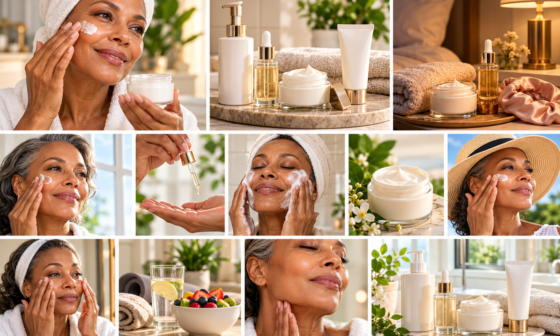
The image that brought you here wasn’t random. More energy, better balance, hormone support, a brighter mood, and healthy aging. These five pillars are exactly where to focus. Not because they look good on a graphic. Because they’re clinically connected.
Neglect one and the others weaken. Strengthen one and the others lift.
How to Get More Energy After 40 (Without Stimulants)
Fatigue after 40 is one of the most common complaints women bring to their doctors. But reaching for another coffee isn’t the answer.
The real issue is often mitochondrial efficiency. Your cells’ ability to produce energy declines with age, but you can slow that process significantly.
What actually works:
- Prioritise protein at breakfast. Aim for 25 to 30 grams. It stabilises blood sugar and reduces the mid-morning crash that feels inevitable but isn’t.
- Cut sugar before noon. Early-day sugar spikes trigger insulin responses that leave you more tired than when you started.
- Add a 10-minute walk after meals. A 2022 study in Sports Medicine found that short post-meal walks significantly improved blood sugar regulation, which directly affects sustained energy. [Link: pubmed.ncbi.nlm.nih.gov]
- Check your iron and B12 levels. Both decline in your 40s and both crater energy faster than almost anything else.
The women who say they have more energy after 40 than they did at 30? They didn’t find a magic supplement. They fixed their foundations.
Better Balance: Strength and Stability After 40
Balance isn’t just about not falling. It’s about coordination, joint health, and the nervous system’s ability to respond quickly. All three decline without intentional effort after 40.
The good news is that resistance training is one of the most well-researched interventions for women in this life stage. A study published in the Journal of Bone and Mineral Research found that women who strength trained twice weekly maintained significantly higher bone density than those who didn’t. [Link: asbmr.org]
Start here:
- Two strength sessions per week. Not five. Not daily. Two, done well, with progressive resistance.
- Single-leg exercises build balance faster than almost any other movement. A simple single-leg deadlift or a step-up works.
- Yoga and Pilates aren’t soft options. For proprioception, the body’s awareness of its position in space, they’re genuinely effective.
If you’ve been avoiding weights because you don’t want to “bulk up,” that concern is worth setting down. At this hormonal stage, building muscle is protective, not cosmetic.
Hormone Support: What You Can Actually Control
This section matters more than almost any other. And it’s also where there’s the most noise online.
Let’s be direct. You cannot biohack your way out of perimenopause. But you can significantly influence how your hormones behave through lifestyle.
Cortisol is the hormone most women overlook. High cortisol, driven by chronic stress, directly suppresses estrogen and progesterone and accelerates the symptoms you’re already managing. Reducing cortisol isn’t about meditation retreats. It’s about:
- Consistent sleep between 10pm and 6am. Cortisol peaks are regulated by your circadian rhythm.
- Reducing high-intensity exercise if you’re already exhausted. More isn’t better here.
- Eating enough. Under-eating is a cortisol trigger. Women over 40 who restrict too aggressively often worsen their hormonal picture, not improve it.
Phytoestrogens are worth understanding. Foods like flaxseed, edamame, and fermented soy contain plant-based compounds that bind weakly to estrogen receptors. The research is mixed but broadly supportive for symptom management. [Link: nih.gov]
Talk to your doctor about hormone therapy if symptoms are severe. The stigma around HRT has shifted substantially. The British Menopause Society now considers it appropriate for many women and, in some cases, protective. [Link: thebms.org.uk]
Brighter Mood: The Hormones-Mental Health Connection
If your mood has shifted and you don’t recognise yourself in it, that’s not weakness. It’s neurochemistry.
Estrogen directly influences serotonin production. As levels fluctuate, so does your baseline emotional state. Anxiety in women over 40 often appears for the first time with no obvious external trigger. It’s biological, not psychological weakness.
What genuinely helps:
- Omega-3 fatty acids. A meta-analysis in Translational Psychiatry found consistent supplementation reduced depressive symptoms. [Link: nature.com/tp] Aim for 1,000 to 2,000mg of EPA-rich fish oil daily.
- Social connection. This sounds soft but the data is not. Loneliness after 40 is a genuine health risk, comparable in effect to smoking 15 cigarettes a day, according to research by Dr. Julianne Holt-Lunstad. [Link: apa.org]
- Magnesium glycinate before bed. It supports GABA activity, the brain’s calming neurotransmitter, and improves both sleep and mood with remarkable consistency.
- Therapy. Specifically cognitive behavioural therapy has strong evidence for perimenopausal mood disruption. [Link: nice.org.uk]
And if you’ve been white-knuckling your way through low mood without telling anyone, you’re not alone. But you also don’t have to do that.
Healthy Aging: Playing the Long Game After 40
Healthy aging after 40 isn’t about looking younger. It’s about staying capable, sharp, and well for the decades ahead.
Four things matter more than anything else the wellness industry is selling you.
1. Muscle mass is your metabolic insurance policy.
After 40, women lose roughly 3 to 8 percent of muscle mass per decade without resistance training. Muscle drives resting metabolism, protects joints, and preserves independence in older age. Build it now.
2. Gut health shapes everything.
The gut microbiome influences hormones, mood, immunity, and inflammation. A diverse diet with 30 or more different plant foods per week is the single most evidence-backed way to support it. [Link: gutmicrobiotaforhealth.com]
3. Sleep is where repair happens.
Not rest. Repair. Human growth hormone is released during deep sleep. Skin regenerates. Memory consolidates. Immune function resets. If you’re consistently getting fewer than seven hours, no supplement stack will compensate.
4. Sunscreen is not optional.
UV exposure accounts for up to 80 percent of visible facial aging according to dermatological research. [Link: aad.org] SPF 30 minimum, daily, non-negotiable.
What to Stop Doing After 40 (It Matters as Much as What to Start)
Some habits that worked before 40 actively work against you now.
| Habit | Why It’s a Problem After 40 | Better Alternative |
|---|---|---|
| Skipping meals to lose weight | Raises cortisol, breaks down muscle | Eat consistently, reduce portions slightly |
| High-intensity exercise daily | Stresses adrenals, worsens fatigue | Mix in recovery days and low-intensity movement |
| Drinking alcohol to decompress | Disrupts sleep architecture, worsens hot flashes | Herbal tea, magnesium, or a walk |
| Ignoring annual bloodwork | Deficiencies go undetected for years | Test iron, B12, Vitamin D, thyroid annually |
| Comparing your body to its former self | Undermines every positive effort | Measure capability, not appearance |
Frequently Asked Questions
What vitamins should a woman over 40 take?
The most consistently supported supplements for women over 40 are Vitamin D3 (1,000 to 2,000 IU daily), magnesium glycinate (300 to 400mg), omega-3 fatty acids, and a quality B-complex. Always confirm deficiencies with bloodwork before adding high-dose supplements.
How can a woman lose belly fat after 40?
Belly fat after 40 is largely driven by cortisol and declining estrogen, not just calories. Strength training, adequate sleep, stress reduction, and a diet low in refined carbohydrates are more effective than restriction alone.
Why am I so tired after 40?
Fatigue after 40 in women is commonly linked to fluctuating estrogen, low iron, low B12, thyroid dysfunction, or poor sleep quality. A comprehensive blood panel is the first step, not another coffee.
Does exercise help with menopause symptoms?
Yes. Regular moderate exercise, particularly strength training and walking, has been shown to reduce hot flash frequency, improve mood, support bone density, and regulate sleep in perimenopausal women.
Is it too late to build healthy habits after 40?
No. Research consistently shows that habits adopted in your 40s and 50s have significant protective effects on cardiovascular health, cognitive function, and longevity. Starting now matters more than starting perfectly.