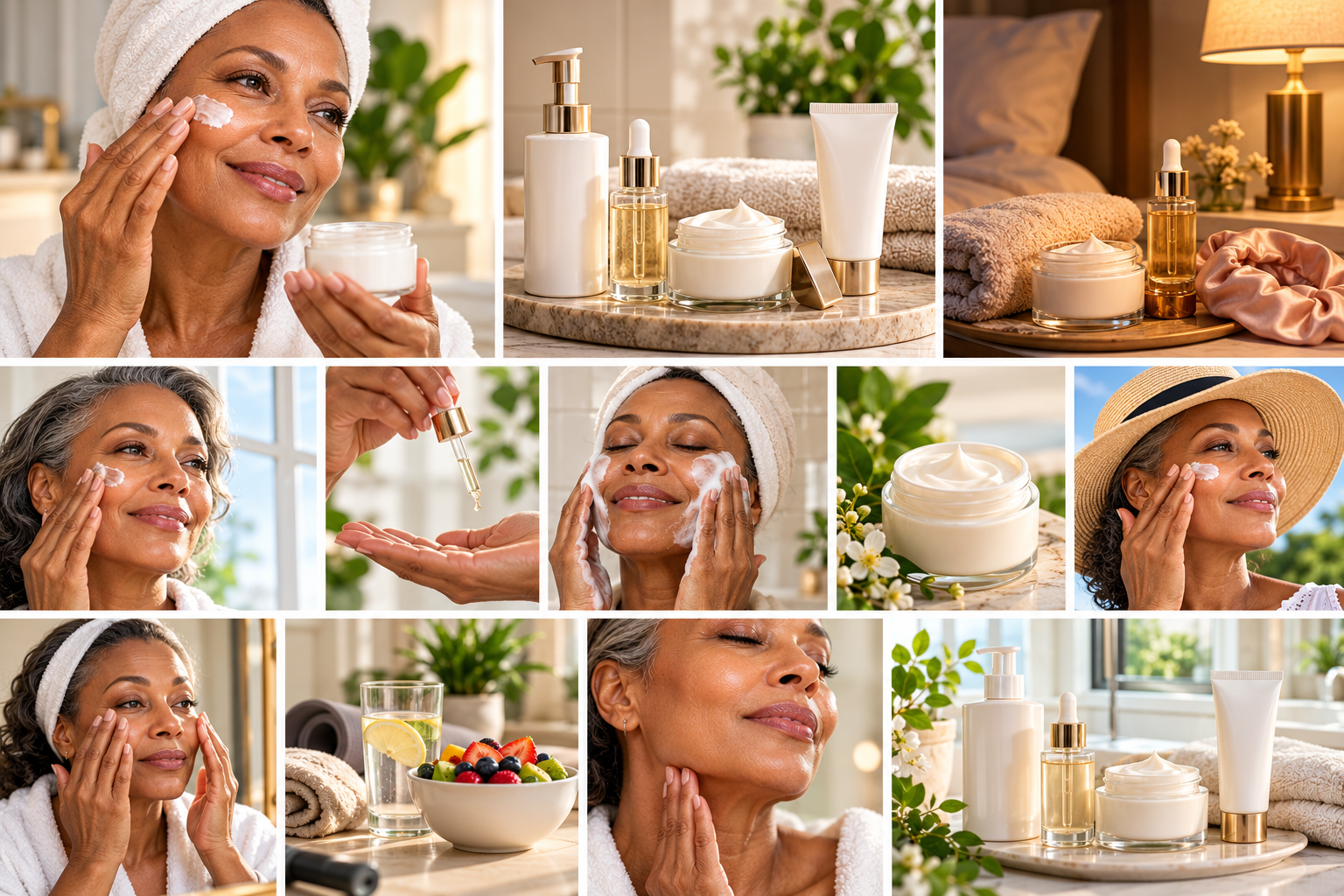
Creating an anti aging skincare routine for very sensitive skin can feel complicated. You want to address fine lines, dryness, uneven texture, and other visible signs of aging, but many popular anti-aging ingredients can leave highly reactive skin feeling tight, irritated, or uncomfortable.
The answer is not necessarily to avoid anti-aging skincare altogether. Instead, the goal should be to build a routine around hydration, skin-barrier support, daily sun protection, and carefully selected targeted products.
For very sensitive skin, gentler is often smarter.
One product currently receiving attention in the anti-aging category is Synevra Ultralift. It is promoted toward adults concerned about visible wrinkles and loss of firmness. However, because individual skin sensitivity varies considerably, Synevra should be evaluated carefully rather than automatically assumed to be suitable for every sensitive-skin user.
This guide explains how to build an anti aging skincare routine for very sensitive skin, which ingredients may deserve attention, what habits can worsen sensitivity, and how to evaluate products such as Synevra without relying on exaggerated expectations.
Why Very Sensitive Skin Requires a Different Approach
Sensitive skin can react to environmental conditions, skincare products, fragrances, exfoliation, temperature changes, or certain active ingredients.
Very sensitive skin may react even more easily.
That means a successful anti aging skincare routine for very sensitive skin should focus first on keeping the skin comfortable.
Signs that your routine may be too aggressive include:
- Persistent redness
- Burning or stinging
- Tightness
- Excessive peeling
- Flaking
- Itching
- Increased dryness
- Sudden rough texture
It is easy to assume these reactions mean a product is “working,” particularly when using anti-aging treatments.
That is not always true.
Persistent irritation can compromise the skin barrier and potentially make the complexion appear rougher, drier, and more visibly lined.
Start With the Skin Barrier
Before adding multiple anti-aging treatments, consider the condition of your skin barrier.
The outermost layer of the skin helps retain moisture and protect against environmental irritants.
When this barrier becomes compromised, sensitive skin may lose water more easily and react more strongly to products.
A thoughtful anti aging skincare routine for very sensitive skin therefore begins with three fundamentals:
Gentle cleansing.
Reliable moisturization.
Daily sun protection.
Once those steps are working comfortably, you can consider adding targeted products gradually.
Explore Synevra Carefully
Interested in seeing what Synevra Ultralift offers? Click here to visit the official Synevra page and review the product information, current pricing, package options, usage directions, and purchase terms before deciding whether it fits your routine.
What to Look for in Products for Very Sensitive Skin
When building an anti aging skincare routine for very sensitive skin, ignore the temptation to choose products simply because they sound powerful.
Instead, prioritize formulas that your skin can tolerate consistently.
Glycerin
Glycerin is a humectant that helps attract water.
It is widely used in gentle skincare and can support comfortable hydration.
Hyaluronic Acid
Hyaluronic acid also attracts water and can help skin appear temporarily plumper and smoother.
Some users find simple hyaluronic acid formulas helpful, although every skin type is different.
Ceramides
Ceramides are lipids naturally found in the skin barrier.
Moisturizers containing ceramides may help support barrier function and reduce moisture loss.
Squalane
Squalane is an emollient commonly used to soften dry or mature skin.
Its lightweight texture makes it useful in many sensitive-skin routines.
Peptides
Peptides are frequently included in anti-aging skincare.
Different peptides serve different cosmetic purposes, but peptide-based formulas can be attractive to people who want targeted care without relying exclusively on aggressive exfoliation.
A balanced anti aging skincare routine for very sensitive skin may therefore favor hydration and barrier support before high-intensity actives.
Ingredients to Approach Slowly
Very sensitive skin does not necessarily have to avoid every active ingredient.
However, certain ingredients require more caution.
Retinoids
Retinoids are well known in anti-aging skincare, but they can also cause dryness, peeling, and irritation.
Start slowly if you use them, and consider professional guidance if your skin reacts easily.
Alpha Hydroxy Acids
Ingredients such as glycolic acid and lactic acid exfoliate the skin.
Used too frequently, they may leave very sensitive skin uncomfortable.
Salicylic Acid
Salicylic acid can be useful for some skin concerns, but it may be unnecessary or irritating in certain dry, mature, reactive routines.
Strong Vitamin C Formulas
Some people tolerate vitamin C very well, while others experience stinging depending on the formula and concentration.
Fragrance and Essential Oils
Fragrance is not automatically harmful, but people with known fragrance sensitivity may prefer fragrance-free products.
Essential oils can also be irritating despite being marketed as natural.
A Simple Morning Anti-Aging Routine
The morning portion of an anti aging skincare routine for very sensitive skin does not need many steps.
Step 1: Cleanse Gently
Use a mild cleanser or, if your skin is extremely dry and your dermatologist agrees, you may find a simple lukewarm-water rinse sufficient on certain mornings.
Avoid very hot water.
Hot water can worsen dryness and leave reactive skin feeling tight.
Step 2: Add Hydration
A simple hydrating serum can provide lightweight moisture.
Look for uncomplicated formulas rather than combining numerous strong active ingredients.
Step 3: Moisturize
Use a moisturizer that feels comfortable and does not leave persistent stinging.
A good moisturizer should help your skin feel softer and less tight.
Step 4: Apply Sunscreen
Broad-spectrum sunscreen is one of the most important components of an anti aging skincare routine for very sensitive skin.
Ultraviolet exposure contributes to visible premature aging, including uneven pigmentation, wrinkles, and reduced elasticity.
If one sunscreen causes irritation, try a different formulation rather than abandoning sunscreen completely.
Mineral sunscreens are sometimes preferred by people with reactive skin, although individual tolerance varies.
Where Synevra Might Fit Into the Routine
Synevra Ultralift is marketed within the anti-aging skincare category.
Its promotional materials focus on visible aging concerns such as wrinkles and reduced firmness.
If you are considering it as part of an anti aging skincare routine for very sensitive skin, the most important question is not whether the marketing sounds impressive.
The important questions are:
Does the ingredient list suit my skin?
Have I reacted to similar ingredients before?
Can I patch test the product?
Does it replace another product in my routine?
Should it be used once or twice daily?
Can it be layered with my existing products?
What happens if my skin does not tolerate it?
Those questions are far more useful than assuming one anti-aging product will work identically for everyone.
2: Check the Synevra Product Details
If you want to investigate Synevra for yourself, visit the official Synevra Ultralift offer here. Review the product information and instructions carefully before introducing it to very sensitive skin.
Why Patch Testing Matters
Patch testing is especially valuable when building an anti aging skincare routine for very sensitive skin.
Instead of applying a new product across your entire face immediately, test a small amount on a discreet area.
Observe your skin for irritation.
If you experience persistent burning, swelling, rash, or significant discomfort, stop using the product.
Patch testing does not guarantee that you will never experience a reaction, but it can help identify obvious intolerance before widespread application.
Also avoid starting several new products simultaneously.
If four new products enter your routine in one week and irritation develops, identifying the cause becomes difficult.
A Gentle Evening Routine
Nighttime skincare can remain simple.
Step 1: Remove Sunscreen and Makeup
Use a gentle cleanser capable of removing the day’s buildup without stripping the skin.
If you wear heavy makeup, you may need a gentle first cleansing step followed by your regular cleanser.
Step 2: Use Your Targeted Product
This might be a peptide serum, gentle anti-aging product, or another treatment appropriate for your skin.
If you are trying Synevra, follow the manufacturer’s directions.
Step 3: Moisturize
Finish with a barrier-supportive moisturizer.
A richer formula can be useful if your skin becomes very dry overnight.
An effective anti aging skincare routine for very sensitive skin should leave your face feeling comfortable the following morning rather than progressively irritated.
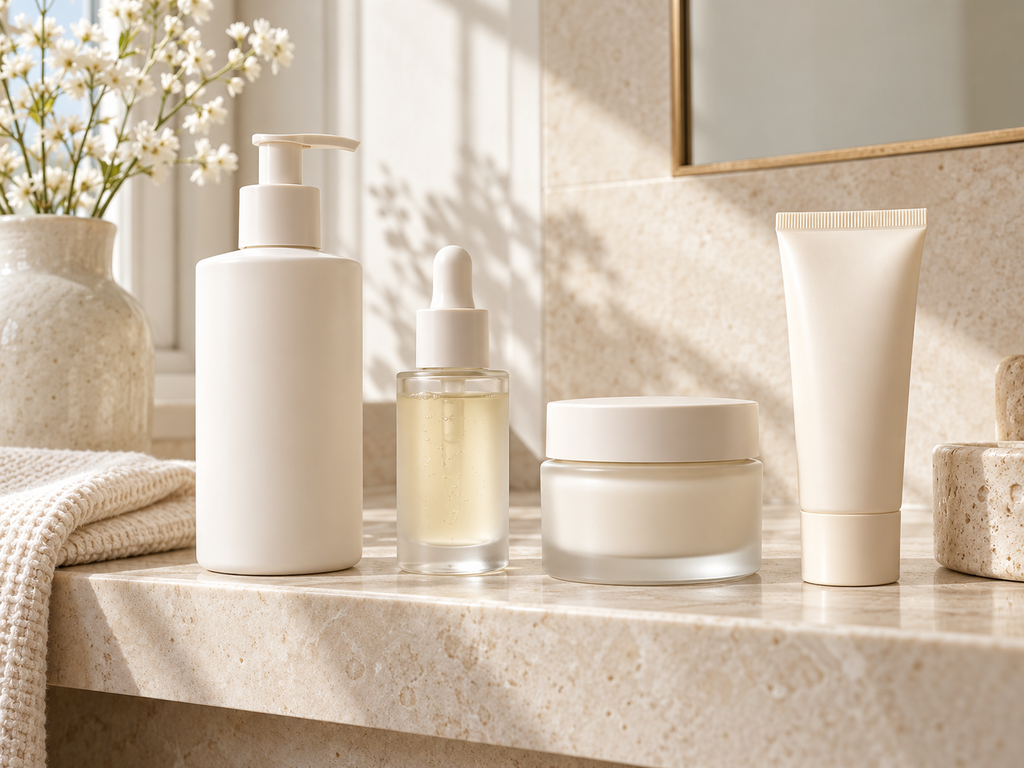
Hydration Can Make Fine Lines Look Softer
One reason mature sensitive skin often benefits from moisturization is that dehydration can exaggerate surface lines.
When the outer skin layers are adequately hydrated, the complexion can look smoother and temporarily plumper.
That does not mean moisturizer permanently removes wrinkles.
It simply means hydration can improve their appearance.
This distinction matters when developing an anti aging skincare routine for very sensitive skin because realistic expectations help prevent unnecessary product switching.
Constantly searching for an instant transformation often leads people toward increasingly aggressive formulas.
Consistency with gentle products can be a much better strategy.
Avoid Over-Exfoliation
Exfoliation removes dead surface cells and can improve texture.
But very sensitive skin may not tolerate frequent exfoliation.
Using scrubs, acids, retinoids, peeling treatments, and cleansing brushes together can easily become excessive.
Signs of over-exfoliation include:
- Increased redness
- Burning when applying normally gentle products
- Unusual shine accompanied by tightness
- Persistent peeling
- Increased sensitivity
- Dry patches
An anti aging skincare routine for very sensitive skin should not depend on constant exfoliation.
Sometimes reducing product use gives the skin more opportunity to recover.
Understanding Anti-Aging Marketing Claims
The anti-aging industry frequently uses dramatic phrases.
You may encounter statements such as:
“Erase wrinkles overnight.”
“Better than Botox.”
“Instantly look years younger.”
“Reverse aging.”
“Lift your face naturally.”
Marketing language like this is designed to attract attention.
Synevra’s affiliate materials also contain strong direct-response messaging.
However, a topical cosmetic product should not automatically be assumed to duplicate professional medical procedures.
The vendor’s affiliate terms also caution against deceptive, misleading, untruthful, or unsubstantiated advertising.
Therefore, when building an anti aging skincare routine for very sensitive skin, focus on realistic benefits such as hydration, softness, improved appearance of texture, and overall skin comfort.
3: Review Synevra Without the Hype
Curious about Synevra but want to make your own informed decision? Click here to view the official Synevra presentation and examine the available product details yourself.
Common Mistakes Sensitive-Skin Users Make
Changing Products Too Frequently
Skincare needs consistency.
If you constantly replace products, it becomes difficult to determine what actually helps.
Using Too Many Actives
Retinol, exfoliating acids, vitamin C, scrubs, and multiple treatment serums can overwhelm sensitive skin when used together.
Skipping Moisturizer
A treatment serum does not necessarily replace moisturizer.
Very sensitive skin may need additional barrier support.
Using Harsh Cleansers
Cleansers that leave the skin extremely tight may be too stripping.
Assuming Burning Means Results
Persistent burning is not a requirement for effective anti-aging skincare.
Forgetting Sunscreen
Your anti aging skincare routine for very sensitive skin should include daytime UV protection whenever appropriate.
Can Very Sensitive Skin Use Retinol?
Possibly, but not everyone will tolerate it.
Retinoids are among the better-studied ingredients for visible photoaging, but irritation is a common issue.
If you want to introduce retinol into an anti aging skincare routine for very sensitive skin, consider starting at a low frequency.
Some people use moisturizer before or after retinoids to improve comfort, although the best approach depends on the specific product.
If your skin is extremely reactive, a dermatologist can help determine whether retinoids are appropriate.
What About Peptides?
Peptide skincare has become increasingly popular.
Peptides are short chains of amino acids and are incorporated into many modern anti-aging formulas.
They can be attractive for sensitive-skin routines because peptide products are often available in hydrating serum or cream bases.
However, the complete formulation still matters.
A peptide product containing other irritating ingredients may not necessarily be gentle.
Always judge the entire formula.
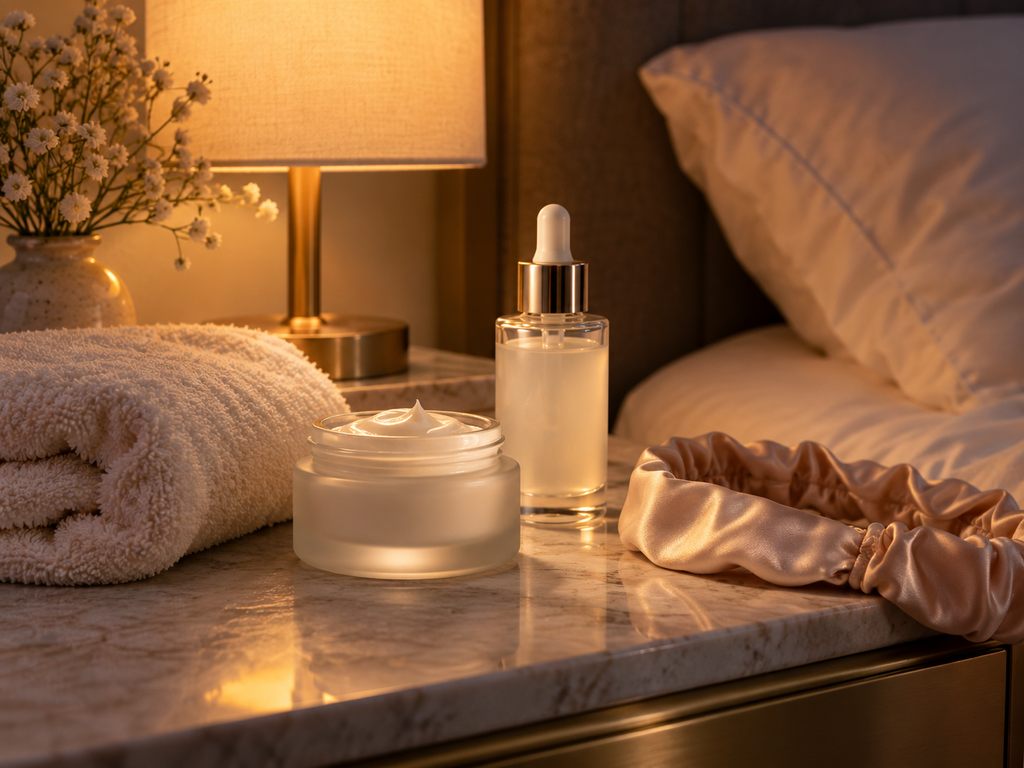
What Makes a Good Moisturizer for Very Sensitive Skin?
Moisturizer is one of the most valuable components of an anti aging skincare routine for very sensitive skin.
Look for products that help reduce moisture loss and support comfort.
Useful ingredient categories include:
Humectants to attract water.
Emollients to soften the skin.
Occlusives to reduce water loss.
Barrier-supporting lipids such as ceramides.
Your ideal texture depends on your skin.
Someone with dry sensitive skin may prefer a cream.
Someone with oily sensitive skin may prefer a lighter lotion.
Sensitivity and oiliness are separate characteristics.
Do You Need an Eye Cream?
Not necessarily.
A dedicated eye cream can be useful if you enjoy one, but it is not mandatory.
Some gentle facial moisturizers can be used around the orbital area when their instructions allow it.
Avoid getting products into the eyes.
If a product repeatedly causes stinging or watering, discontinue use around that area.
For an anti aging skincare routine for very sensitive skin, fewer products may sometimes reduce irritation risk.
How to Introduce Synevra Gradually
If you decide to try Synevra, do not simultaneously overhaul your entire routine.
Keep your familiar cleanser, moisturizer, and sunscreen.
Patch test the new product first.
Then introduce it according to the official directions.
Monitor your skin.
If significant irritation develops, stop.
This controlled approach makes it easier to determine whether Synevra works within your anti aging skincare routine for very sensitive skin.
4: See the Current Synevra Offer
Thinking about trying Synevra? Click here to check the current Synevra Ultralift offer, review the available packages, and read the official product information before purchasing.
Seasonal Changes Matter
Sensitive skin may behave differently throughout the year.
Cold weather and low humidity may cause greater dryness.
Indoor heating can also increase moisture loss.
During warmer months, sweat and heat may make heavier products uncomfortable.
Your anti aging skincare routine for very sensitive skin may therefore need seasonal adjustments.
A richer moisturizer might work better during winter.
A lighter product may feel more comfortable in humid conditions.
There is no rule saying your routine must stay identical throughout the year.
Lifestyle Habits That Support Mature Skin
Skincare products are useful, but they are only one component of skin health.
Consider:
- Getting adequate sleep
- Eating a balanced diet
- Avoiding smoking
- Protecting your skin from excessive UV exposure
- Staying adequately hydrated
- Managing stress where possible
These habits cannot stop the natural aging process.
However, they complement an anti aging skincare routine for very sensitive skin and support general health.
How Long Should You Test a Routine?
Hydration may improve relatively quickly.
Other cosmetic changes can take longer.
Avoid expecting every product to transform your skin within a few days.
If your skin is tolerating your routine, assess it over time.
Consider:
How comfortable does my skin feel?
Is dryness improving?
Is flaking reduced?
Does my skin feel smoother?
Does the routine cause persistent redness?
Can I realistically maintain it?
An anti aging skincare routine for very sensitive skin should be practical enough to continue consistently.
When Should You See a Dermatologist?
Sensitive skin can sometimes reflect an underlying skin condition.
Seek professional advice if you experience persistent or severe:
- Redness
- Burning
- Itching
- Swelling
- Cracking
- Rashes
- Pain
- Sudden unexplained changes
Conditions such as eczema, rosacea, allergic contact dermatitis, and other dermatological problems may require proper diagnosis.
Cosmetic products should not substitute for medical treatment.
Frequently Asked Questions
What is the best anti aging skincare routine for very sensitive skin?
Start with a mild cleanser, moisturizer, and sunscreen. Once your skin is comfortable, introduce targeted treatments one at a time.
Should very sensitive skin exfoliate?
Possibly, but frequency and formulation matter. Many very sensitive skin types require less exfoliation than resilient skin.
Can sensitive skin use anti-aging products?
Yes, but products should be introduced gradually and discontinued if significant irritation occurs.
Is Synevra suitable for very sensitive skin?
Individual tolerance varies. Review the official ingredient information and directions, patch test where appropriate, and seek professional advice if your skin is extremely reactive.
How many products do I need?
A complete anti aging skincare routine for very sensitive skin can be surprisingly simple: cleanser, targeted treatment if tolerated, moisturizer, and sunscreen.
Can moisturizer reduce wrinkles?
Moisturization can make dehydrated fine lines appear less noticeable, but it should not be expected to permanently remove wrinkles.
Should I use sunscreen every day?
Daily broad-spectrum sun protection is an important part of preventing additional UV-related visible aging.
Final Thoughts
A successful anti aging skincare routine for very sensitive skin should prioritize comfort rather than intensity.
You do not need the strongest serum.
You do not need ten products.
And your face does not need to peel or burn for skincare to be effective.
Start with the basics.
Cleanse gently.
Hydrate consistently.
Support your skin barrier.
Protect your skin from excessive sun exposure.
Introduce targeted products gradually.
Watch how your skin responds.
Synevra Ultralift may be worth exploring if you are looking for an additional anti-aging product, but very sensitive skin requires extra caution. Evaluate the formula, directions, price, and your personal tolerance rather than assuming that promotional claims guarantee a specific result.
Ultimately, the best anti aging skincare routine for very sensitive skin is one you can follow consistently while keeping your skin calm, moisturized, protected, and comfortable.
Aging is natural.
Good skincare is about helping your skin look and feel its healthiest at every stage.
5: Explore Synevra Ultralift
If you want to learn more about Synevra, click here to visit the official Synevra Ultralift offer and review the current product information and purchasing options before deciding whether it belongs in your routine.